
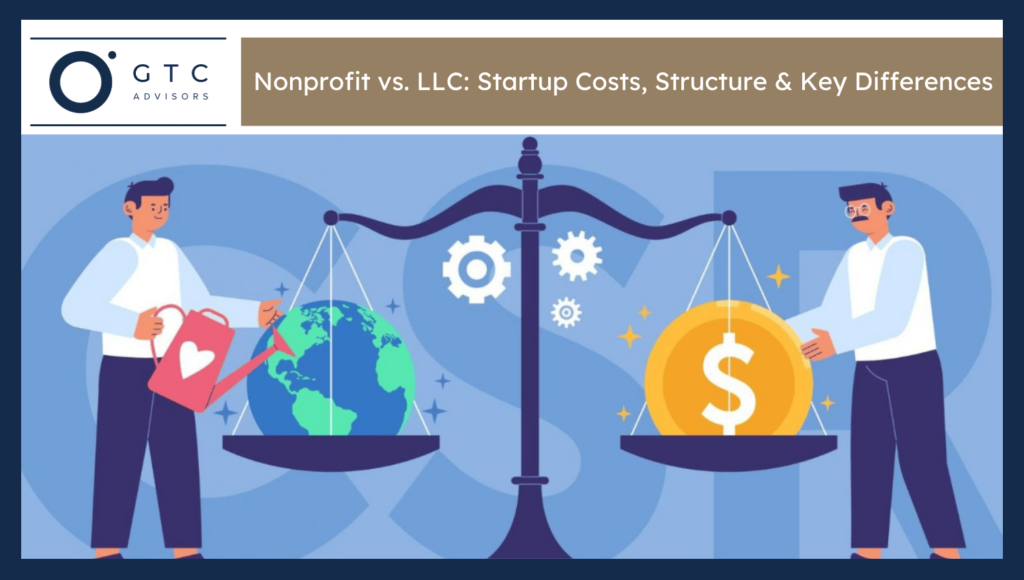
Non-profit and LLC differ in their purpose, tax status, and ownership. Non-profit organizations focus on serving the public, and LLCs focus on generating revenue for owners. A board of directors runs the non-profit organziation without losing its assets. LLC members invest their own assets and even apply for bank loans. They pay the tax, and a non-profit organization applies for tax-exempt status. A limited liability company is cheaper to start compared to a non-profit organziation. These organizations require a lot of paperwork, like 501(c)(3) and articles of Incorporation. These charitable organizations strictly follow the governmental rules, and LLCs often have flexibility.
How Are Nonprofits and LLCs Structured?
Nonprofit organizations consist of a board of directors that makes decisions. Executive director, program managers, and volunteers handle the day-to-day tasks in the organziation. They follow the board of directors’ decisions and Bylaws to understand the organization’s purpose, membership requirements, and governance structure. These bylaws are written rules to run the NGOs, and they include the roles and responsibilities of officers and directors. Bylaws make sure that the organizations follow the government rules and spend money in the right place.
There are members (owners) who run the LLC. People often confuse the member-managed and manager-managed LLC, though they are different. The owner runs the business in a member-managed LLC, and they hire a manager to oversee the business in a manager-managed LLC. LLCs follow the operating agreements to make decisions and share decisions. Owners have full control over the LLC, unlike non-profit organizations that are accountable to the government.
What Are the Startup Costs and Filing Requirements?
Nonprofits and LLCs differ in their startup cost and filing requirements. Charitable organizations pay a $50–$125 filing fee to create an organziation. This fee structure varies on the basis of geographic regions. $50–$125 is paid to submit the article of incorporation to officially register the organziation with the state. (501(c)(3) form is submitted to the IRS to apply for tax-exempt status. It means the organziation doesn’t have to pay the tax like an LLC. 501(c)(3) costs around $275–$600, and the IRS takes a few months to approve the organization. NGOs apply for an Employer Identification Number (EIN) and Bylaws. They cannot raise funds until the organization is officially registered. Non-profit organizations have to renew the IRS Form 990 to maintain their exempt status. They submit the annual reports about where the money is spent.
LLCs are inexpensive than nonprofit organizations. Owners pay $50–$500 state filing fee, and $0–$500 for an operating agreement with a lawyer. An operating agreement is often free, and it costs only when customized. Starting an LLC requires business licenses, permits, and bank accounts that raise the overall cost. LLC filing requirements include articles of organization to create an LLC, an EIN, and business approvals. LLC pays $20–$100 to renew the state filing, and they pay tax every year to protect the business from being shut down.
How Do Taxes Work for Nonprofits vs. LLCs?
Nonprofit organizations don’t have to pay the federal income tax. They apply to the IRS using Form 1023 or 1023-EZ to achieve the tax-exempt status. These charitable organizations pay unrelated business income tax (UBIT) after selling something that does not align with the organization’s mission. The government deducts the tax from donors who provide donations to these NGOs. This strategy increases the chances of funding such organizations.
Tax-exempt status is denied when an organization does not qualify or meet the eligibility criteria. Charitable, religious, educational, or public benefit NGOs are likely to achieve the tax-free status. Incomplete forms and political influence also affect the approval of exempt status.
LLCs have to pay the tax, and it depends on their setup. The owner pays the tax of a single-member LLC. Multi-member LLC owners divide the profit among them equally, and then they pay the personal income tax for the LLC. Many businesses opt for filing Form 8832 to reduce taxes, though it increases the paperwork hassle. LLCs also pay the state income tax on the basis of their location. They pay the self-employment tax for Social Security and Medicare taxes.
What Are the Funding and Revenue Options?
Non-profit organizations get funding from donations, government grants, and fundraising events. These charitable organizations charge a small amount of membership fee and sell products that relate to the mission to earn some revenue. LLCs are built for profit, and they earn revenue from selling services and products. The most common revenue sources of LLCs are sales, investments, and membership fees. Owners invest their money, and they also lend business loans to banks as a funding option.
Which One Should You Choose?
Choosing between an LLC and a non-profit depends on the mission and goals of the person. Select a non-profit to help people, support a cause, or give back to the community. Choose LLC to start a profit-making business or to sell products. LLC owners struggle to manage funds and raise revenue. Make sure to do a self-evaluation before making any decision. Ask questions about the impact, goal, and flexibility. Where do you want to see yourself in the future? Is it easy to comply with the government’s strict regulatory measures? Meet the people in both industries and learn about behind the scenes. Create a list of positive and negative factors in both companies to make a decision. There is also a social enterprise option for those who want to run a profit-making LLC and a charitable organization.
Can You Convert or Combine Both Models?
Yes, switching from a non-profit to an LLC and an LLC to a Charitable organziation is possible. It requires careful planning, state filing, and IRS approval. This conversion is a complicated process, and make sure to hire a lawyer. LLC to non-profit organization involves transferring LLC assets to the organziation. Nonprofit organizations combine the LLC model after IRS approval, and they are obliged to pay the tax. Social Impact LLC and L3C both have shared goals of charity and profit, with minor differences in priorities. Social Impact LLC keeps the business first and social work second, and L3C maintains the business after charity work.

George C. Tagg, Jr.
George serves as a trusted counsel to business leaders, non-profit executives, and management teams. George is a licensed attorney with a master’s in international affairs and over 20 years’ experience in the U.S. Congress, Department of State, Department of Defense, global public policy, and political campaigns.