
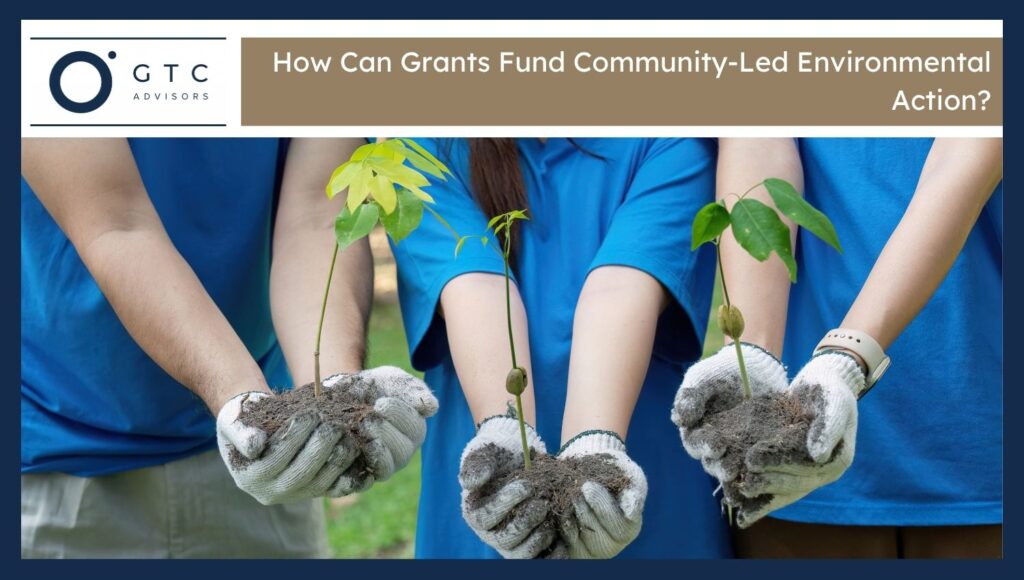
Community-led environmental action grants support communities and local groups in solving environmental issues. Funding supports activities such as neighborhood clean-ups, waste reduction, waterway stewardship, environmental monitoring, pollution prevention, and climate preparedness. The projects are best suited to communities where members identify problems, prioritize them, make decisions, and participate in implementation. Organizations must demonstrate the community’s environmental need, support, realistic project plans, and measurable results. Grants also fund supplies, equipment, volunteer coordination, technical assistance, and stewardship.
What Types of Community-Led Environmental Action Can Grants Support?
Here are the 6 Types of Community-Led Environmental Action That Grants Can Support:
- Neighborhood Cleanup and Illegal-Dumping Reduction: Grants include litter pick-up, neighborhood cleanup events, illegal-dumping prevention, and community reporting. Projects must solve a real problem in the community and engage the community in the planning or implementation of the project.
- Community Waste Reduction and Reuse: Repair and Reuse, Composting, Waste Diversion, and community-based collection activities. The projects help reduce waste generated in the area and promote lasting, practical changes in local communities’ waste behavior.
- Waterway and Watershed Stewardship: Grants fund efforts to clean up creeks, rivers, shorelines, and watersheds; conduct local water monitoring; and prevent erosion. Local community members help identify concerns, gather data, and support local stewardship activities.
- Community Environmental Monitoring and Citizen Science: Projects include community members in monitoring air, water, soil, heat, and dumping. Activities include raising awareness, providing monitoring tools, conducting testing, gathering data, and providing technical assistance to inform on-the-ground action.
- Local Pollution and Exposure Reduction: Grants are for projects that involve community work to identify, document, prevent, or reduce specific pollution issues. Activities range from hazard reporting and collecting local evidence to liaising with relevant agencies and carrying out practical mitigation activities.
- Neighborhood Climate Resilience and Preparedness: Funding also supports resident-led hazard mapping, local preparedness planning, response coordination, and actions to reduce environmental risks. Projects target neighborhood-based hazards and assist residents to plan for and respond to environmental hazards in their neighborhood.
What Evidence Should Organizations Use to Show a Local Environmental Need and Community Support?
Organizations need a clear, compelling identification of an environmental issue and the community it affects. Useful sources include records of local waste, dumping reports, water quality tests, air quality tests, pollution observations, flooding risk, and resident surveys. Community meetings, interviews, listening sessions, and neighborhood reports illustrate residents’ experiences of the problem and their priorities for solutions. Organizations also define the project area, describe current services, and explain the proposed project’s role in addressing the need. Baseline measures include any incidents of dumping, waste volume, monitoring coverage, or reported hazards and serve as a baseline for assessing progress. Documented resident involvement, letters of support, and volunteer commitments also indicate community support.
How Should a Community-Led Environmental Project Be Co-Designed and Governed?
The community’s environmental project starts with community members recognizing the problem, prioritizing it, and helping select feasible solutions. Groups should establish who is involved in decision-making, how community input shapes project activities, and how community members stay engaged during implementation. Clear responsibilities help people understand who makes funding decisions, buys supplies, coordinates volunteers, collects data, and reports results. A realistic work plan also sets targets, milestones, and timelines for engagement, planning, permission, implementation, monitoring, and follow-up. Good governance gives residents input into decision-making, not just as volunteers or meeting participants.
How Can Partners Support the Project Without Replacing Community Leadership?
Partners provide the technical knowledge, services, equipment, and coordination community-led projects need to succeed. Local government agencies provide permits and waste removal services, along with links to appropriate public services and environmental data. A range of universities, labs, environmental and technical specialists, and nonprofit groups provide monitoring, testing, analysis, and project evaluation. Neighborhood organizations recruit, coordinate, and retain residents as volunteers. Schools, faith-based and community centers, and some waste haulers provide meeting and activity spaces and collection and disposal services. The community should play a meaningful role in setting priorities, guiding activities, and reviewing results.
What Permissions, Safety, and Operational Requirements Should Be Planned?
Organizations verify site access, obtain property owner consent, and secure appropriate agency permissions before project activities. Safe waste handling, appropriate protective equipment, volunteer training, supervision, and traffic, weather, and emergency procedures are all part of cleanup work. Environmental monitoring activities require suitable equipment, appropriate sampling techniques, data-quality procedures, and technical support, as needed for the projects. Teams also plan for waste collection and disposal, recycling, and special services before activities. Consider local rules for public space, waste disposal systems, water, environmental health, and volunteer safety alongside funder requirements. These details help avoid unnecessary risks, delays, and unforeseen costs.
What should be included in a community-based grant budget for the environment?
The budget should include direct costs for project delivery and meaningful community involvement. Costs include cleanup equipment, protective equipment, collection materials, monitoring equipment, sampling materials, storage facilities, and signage. The budget should also include transparent cost estimates for waste removal, hauling, recycling, lab testing, and expert services. Include staff time for coordinating residents, managing volunteers, collecting data, and reporting results. Participation fees cover meeting spaces (if applicable), transportation, childcare, translation, interpretation, and resident stipends. Communication costs should focus on recruitment, safety, project updates, and reporting. Separating one-time purchases from ongoing expenses helps organizations plan realistically and support stewardship beyond the grant period.
What is the long-term sustainability of community ownership of an organization after grant funding has run its course?
A sustainability plan is needed to maintain community decision-making and ensure responsibility is not overwhelming after funding ends. Residents and local groups need robust, clearly defined roles and responsibilities for ongoing monitoring, reporting, maintenance, and coordination. Documented procedures, contact lists, data records, and partner roles help retain project knowledge. Excellent cooperation with public agencies and technical partners supports future aid and environmental follow-up. The organization should also recognize these recurring costs (supplies, disposal, equipment maintenance, and volunteer coordination) and find realistic ways to fund or support them in kind. Feedback to residents and partners fosters engagement in progress activities, a sense of need for future activities, and a sense of ownership.

George C. Tagg, Jr.
George serves as a trusted counsel to business leaders, non-profit executives, and management teams. George is a licensed attorney with a master’s in international affairs and over 20 years’ experience in the U.S. Congress, Department of State, Department of Defense, global public policy, and political campaigns.