
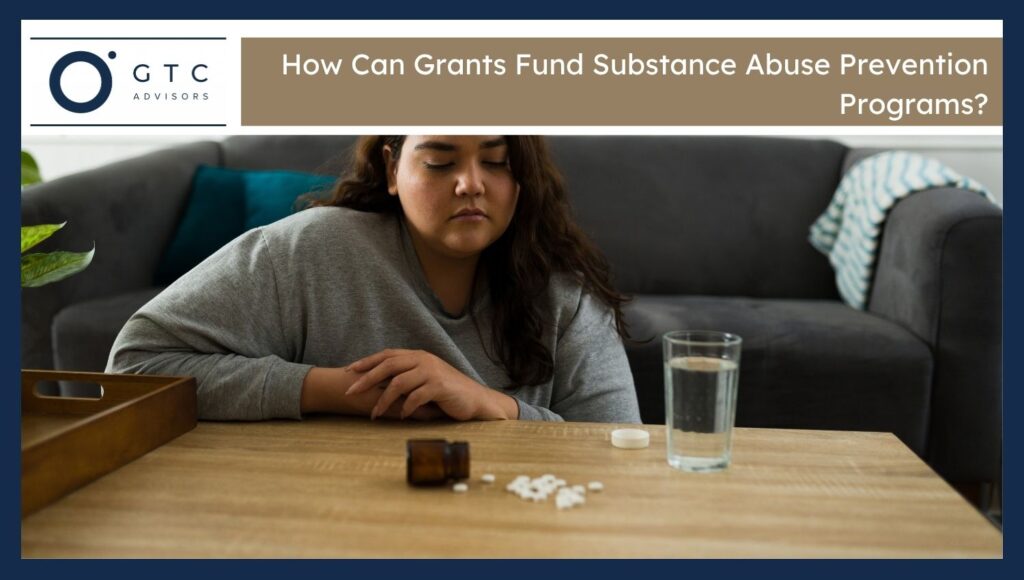
Grants help organizations develop and expand substance abuse prevention programs. Prevention funding supports education, early intervention, community outreach, youth programs, training, research, and evidence-based strategies. These programs aim to educate individuals and communities about the dangers of drug use and help develop healthier habits. Reward and support activities that reduce risk factors and increase protective factors are also part of the grant funding. Prevention grants are aimed at preventing substance abuse before it begins to become a serious issue. Eligibility criteria and approved costs vary by funder, program, area, and applicant type.
What Types of Substance Abuse Prevention Grants Are Available?
Here are the 7 Types of substance abuse prevention grants available:
- Youth Substance Abuse Prevention Grants: These grants fund youth engagement, prevention education, school activities, and early intervention. CDC’s Drug-Free Communities program provides drug-free community coalition grants to help communities prevent youth substance use.
- Community Prevention Grants: These grants fund community-wide prevention awareness campaigns, prevention coalitions, and local prevention projects. Funding links local groups around shared prevention objectives.
- Opioid and Substance Misuse Prevention Grants: These grants are for projects that prevent opioid misuse or other substance misuse. SAMHSA’s current programs also help to facilitate community-based drug overdose prevention and increase access to overdose reversal drugs.
- School and Campus Prevention Grants: Prevention funding for schools, colleges, and universities supports prevention education, awareness, on-campus prevention programming, and student support. These programs focus on reducing risk factors for students.
- Mental Health and Substance Misuse Prevention Grants: These grants fund programs that comprehensively address behavioral health risk factors and substance misuse. Integrated prevention programs link mental health and substance misuse prevention.
- Rural Substance Abuse Prevention Grants: These grants support substance abuse prevention in rural communities that lack access to specific substance abuse prevention services. They fund local partnerships and community-based prevention activities.
- Research and Evaluation Grants: Research grants fund research into prevention strategies and risk factors, the effectiveness of prevention interventions, and community-level outcomes. Evaluation funding also supports others to determine if prevention programs are effective.
Who Can Apply for Substance Abuse Prevention Grants?
Prevention funding programs include non-profit organizations, schools, colleges, universities, state and local governments, Tribal organizations, healthcare organizations, and community coalitions. Partnerships between multiple community organizations are required for some grants. The CDC’s Drug-Free Communities program supports community coalitions addressing youth substance use prevention.
What Prevention Activities Can Grant Funding Support?
Here are the 7 Prevention Activities Grant Funding Can Support:
- Prevention Education: Grants include classroom education programs, public awareness programs, educational materials, and workshops. These activities provide communities with tangible facts on the risks of substance misuse and substance misuse prevention.
- Early Intervention: Early intervention identifies risk factors and links people to the right services. This approach takes care of concerns before they escalate to more serious levels of substance misuse.
- Community Outreach: Outreach programs involve families, schools, community leaders, and other community partners. These activities bring prevention closer to the people being served.
- Youth Development Programs: Youth have access to positive youth programs, mentoring, leadership development, and other protective factor activities. These programs are designed to develop skills and healthy connections within the community.
- Prevention Training: Staff members such as community workers, educators, and healthcare workers are eligible for funded training. Training enables teams to provide prevention programs with the proper knowledge and skills.
- Data Collection and Program Evaluation: Grants for data collection and program evaluation of participation and outcomes. Evaluation assesses program effectiveness and informs future activities.
- Awareness Campaigns: Funds are used to develop campaigns regarding the risks of substance abuse and how to prevent it. A campaign may target a particular population or community.
How Can Organizations Identify the Right Substance Abuse Prevention Grant?
Here are 6 ways organizations can identify the right substance abuse prevention grant:
- Define the Prevention Problem: Identify the substance misuse issue, affected population, and geographic area. Use sound local data to explain the problem.
- Determine the Target Population: Identify if the program is geared to youth, families, students, rural, or other eligible target population. Use the target population to identify the most appropriate funding programs for the project.
- Review Funder Priorities: Make sure that the project aligns with the funder’s stated prevention priorities. Search for linkage with proposed activities and the goals of the grant.
- Determine the Target Population: Ensure the organization is located in a service area, community, or county that is included in the funding program. Geographic rules vary from program to program.
- Check Geographic Eligibility: Check the list of expenses and activities that are allowed under the grant. Ensure that the suggested project responds to those needs.
- Compare Award Size and Project Requirements: Select funding opportunities that are appropriate to the organization’s capacity and project requirements. The amount requested must be in line with the project’s needs.
Where Can Organizations Find Substance Abuse Prevention Grant Opportunities?
Organizations use official federal funding sources to find grant opportunities. State behavioral health agencies also post funding opportunities for substance use and prevention. Local prevention programs are available on County and Municipal websites. Private and community foundations also offer additional funding for behavioral health, youth development, public health, and community programs. Corporate and healthcare foundations also support selected community health programs. Funding information is also available from professional prevention networks and coalitions.
What Documents Are Needed for a Substance Abuse Prevention Grant Application?
Grant applications require organizational information, including legal status, mission, history, and relevant experience. A statement of need describes the issue of substance misuse and uses credible local or population-based data. The program description describes the prevention approach, activities, target population, and implementation approach. The detailed budget shows personnel and materials costs, outreach, training, evaluation, and other eligible costs. An evaluation plan also documents how the organization measures participation, outputs, and intended outcomes. Staff information is evidence of the qualifications of program leaders and staff. Partnership documentation contains letters of support, memoranda of understanding, or partnership agreements when necessary.
How Can Organizations Improve Their Chances of Securing Prevention Grants?
Here are the 7 ways organizations can improve their chances of Securing Prevention Grants:
- Align Closely With Funder Priorities: Make a clear connection to the grant’s goal and intent. Identify specific prevention objectives as identified by the funder.
- Use Strong Local Data: Indicate the size and significance of the prevention issue using credible data. Local information provides background as to why the proposed program is appropriate for the community.
- Build Community Partnerships: Work with schools, healthcare facilities, local agencies, and community groups. Prevention programs should build strong relationships with existing community resources.
- Build Community Partnerships: Propose a budget based on the project’s needs and the organization’s capacity. There must be a clear linkage between each major expense and the activities to be funded.
- Develop a Realistic Budget: Discuss how the organization tracks progress and outcomes. Be clear about the indicators that describe the program’s goals.
- Customize Every Application: Respond to each funder’s priorities and requirements. Avoid submitting the same general proposal to every funder.
- Submit Complete Applications: Review every instruction, attachment, formatting requirement, and deadline before submission.

George C. Tagg, Jr.
George serves as a trusted counsel to business leaders, non-profit executives, and management teams. George is a licensed attorney with a master’s in international affairs and over 20 years’ experience in the U.S. Congress, Department of State, Department of Defense, global public policy, and political campaigns.