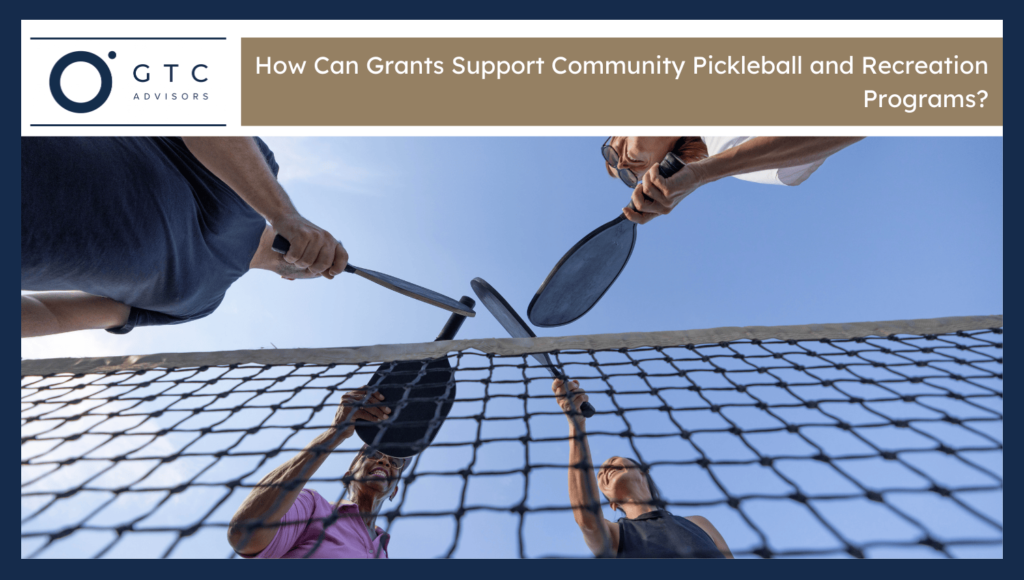
Pickleball is a paddle sport that combines elements of tennis, badminton, and table tennis. The government offers these grants to support sports and recreation programs. Funds are used to purchase pickleball equipment such as wiffle ball, court, net, and rackets. Organizations also handle maintenance, lighting, and benches in pickleball courts. These funds help the underserved communities to focus on sports and motivate youth to participate and play. National, local, state, and corporate communities offer these grants. It promotes health, an active lifestyle, and economic activity via events and tours. It enhances community and social cohesion. Government agencies, non-profit organizations, and sports associations view this as an investment. Applicants bid for their creative ideas, and funders filter the ones with a positive impact.
Which Grant Programs Fund Pickleball Initiatives?
Here are the six grant programs that fund Pickleball initiatives:
- Court Construction and Renovation Grants: USA Pickleball offers grants under “Play It Forward” and “Grow the Game” programs. Play it Forward grants offer $50,000 to build and maintain courtrooms. It also includes the Land and Water Conservation Fund and state-level OSLAD (Open Space Lands Acquisition & Development) grants. They provide funds for a permanent pickleball facility.
- Equipment and Supplies Grants: The USA Pickleball “Grow the Game” Grant focuses on funding the paddle, racket, net, and wiffle ball. USA Pickleball School Grants provide $350, and Pickleball for Good offers donations for Dink Bundle, Drop Bundle, and Drive Bundle.
- Youth Engagement Grants: Youth engagement grants attract students to play during summer vacations and holidays. USA Pickleball, Pickleball BC, and Pickleball Alberta offer these youth engagement grants.
- Senior Recreation Support Grants: Senior recreation programs support the pickleball initiatives due to healthy lifestyles and wellness. It builds social connections among seniors without demographic differences.
- Event and Tournament Grants: The Event grant supports the pickleball team to conduct tournaments and league events. The Global Pickleball Federation, regional associations, and USA Grow the Game offer these tournament grants.
- Community Wellness and Outreach Grants: Community wellness grants focus on keeping the people active and healthy. Governments fund these outreach grants to support Pickleball initiatives due to the similar core benefits.
Who Is Eligible to Apply for Pickleball Grants?
Non-profit organizations with tax-exempt status and legal documents can apply for pickleball grants. Educational institutions such as schools (K-12, Colleges, and Universities) have more resources. They can apply for such a grant with strong physical activity programs to increase the chances of securing funds. Local, state, or federal government agencies, such as parks & recreation departments, often apply for Pickleball grants. They work to develop the complete infrastructure and manage the renovation projects. Local clubs don’t have any tax-exempt status, and they can apply under non-profit organizations. Volunteer organizations, including youth and senior groups with sports activities, can apply for pickleball grants. USA Pickleball Membership is important to apply for Grow the Game and “Play It Forward” grants. Make sure to read the eligibility criteria and follow the funder’s guidelines to avoid being disqualified.
What Steps Ensure a Successful Grant Application?
Here are the six steps that ensure a successful grant application:
- Identify Appropriate Grant Opportunities: Research the grants in the sports category and turn on the email notifications. These alerts help to catch the announcements on time. Make sure to align the project goal with the funder’s mission. Grantmakers prioritize the projects with positive and measurable outcomes.
- Develop a Detailed Project Proposal: A proposal makes or breaks the funding decisions. Write a personalized proposal to stand out among thousands. Read about the funder’s interests and previous projects to add relevance. Hire a grant writer when applying for large grants.
- Create an Accurate Budget: Funders want to know where the money is going to be used. Create a budget list and support the narrative of the proposal. Write an estimated price of tools if the proposal includes purchasing paddles or rackets.
- Highlight Community Benefits: The importance of the project depends on the benefits. Which community is going to benefit from this project? Talk in statistics and share the figures from previous successful projects.
- Provide Documentation: Grantmakers fund the registered organizations. They ask for the legal documents for a background check, and make sure to attach all of them. It includes a letter of recommendation, proof of eligibility, and tax status.
- Meet Deadlines and Guidelines: Gather all the documents and write the proposal before time to avoid last-minute corrections and errors. Cross-check everything with a checklist before submitting the proposal.
What Challenges Could Arise When Securing Pickleball Grants?
Here are the five challenges that arise when securing Pickleball grants:
- Competition for Limited Funds: There is high competition for limited funds, which decreases the chances of securing a grant. Newly established organizations often get rejected. Make sure to apply for multiple grants on the safe side.
- Compliance and Reporting Requirements: Grantseekers are accountable to funders about where they have spent the money. They have to share the report about work progress, and it is challenging for small organizations.
- Volunteer and Staff Coordination: Staff coordination is important for a productive work environment. Hire volunteers and provide free training to build trust.
- Sustainability After Grant Expiration: Funder wants to know about the future plans if the funds end. It is make sure that this project is sustainable.
- Funding Restrictions: Grantmakers limit the areas of spending money in Pickleball grants. Play it Forward grants focus on court construction, whereas the Grow the Game funds are used for equipment and supplies. Apply to the ones that meet the court requirements.
How to Maximize the Benefits of Your Pickleball Grant
Here are five tips to maximize the benefits of your Pickleball grants:
- Engage Schools and Community Members: Engage with schools with sports activities to create a talent pool.
- Set Measurable Outcomes: Set SMART goals and project milestones as KPI to indicate that the project is doing well.
- Promote Success Stories: Share the project progress via stories and posts on social media as a funnel to attract funders.
- Form Partnerships: Collaborate with schools, civic organizations, and volunteers to access resources and speed up the work.
- Plan for Maintenance: Create a plan to maintain and keep the courts functional in the long term.

George C. Tagg, Jr.
George serves as a trusted counsel to business leaders, non-profit executives, and management teams. George is a licensed attorney with a master’s in international affairs and over 20 years’ experience in the U.S. Congress, Department of State, Department of Defense, global public policy, and political campaigns.