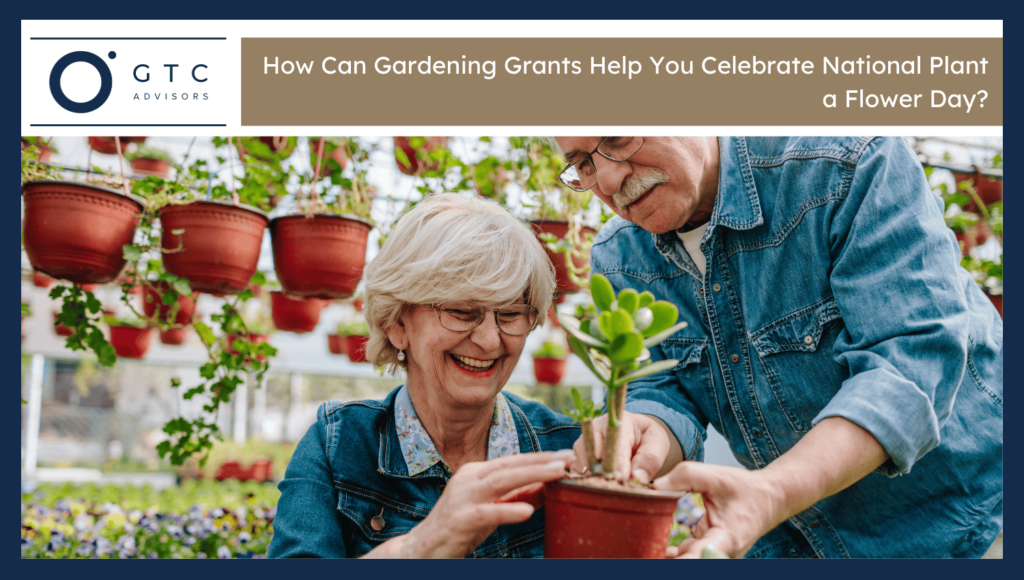
Granting grants promotes tree plantation, beautification, and a clean environment. Non-profit organizations use these funds in Keep America Beautiful programs. Grant helps the underserved communities to keep public places like hospitals and schools clean. National Plant a Flower Day is celebrated on March 12th, and grants provide access to more resources. Organizations conduct seminars and run campaigns to spread awareness about planting trees. They use funds for marketing, buying equipment, and offering education. This day brings the community together, and people also cherish gardening. It connects people to nature and maintains sustainability. Grantseekers don’t have to repay the funded amount, which increases competition. Make sure to hire a grant writer and include all the essential documents to avoid being disqualified.
What Types of Gardening Grants Are Available?
Here are the six types of gardening grants that are available:
- Community Gardening Grants: Community gardening is one of the main missions of National Plant a Flower Day grants. It keeps the neighborhood clean and peaceful. Community grants are used to purchase equipment, offer free education, and acquire land. Scotts Miracle-Gro Foundation grants and Food Well Alliance are common examples of this grant.
- School Garden Grants: School garden grants involve planting trees and educating children about KAB programs. Whole Kids Foundation Garden Grants, KidsGardening’s Youth Garden Grant, and the Captain Planet Foundation’s Project Learning Garden offer such grants.
- Environmental Conservation Grants: These funds focus on long-term solutions instead of temporary ones. Environmental conservative grants promote native plants and create pollination habitats.
- Youth and Volunteer Program Grants: Youth program grants provide education and hands-on learning experience. Non-profit organizations conduct webinars and seminars to teach them about plant varieties and how to take care of them.
- Urban Beautification Grants: These grants focus on keeping the vacant spaces and parks clean and beautiful. The government offers funds to plant trees on sideways and empty lots. Keep America Beautiful and The Garden Conservancy promote greenery.
- Seed and Equipment Grants: Seed grants eliminate the initial barriers of high seed cost and equipment. This grant money often comes from donations to promote environmental sustainability. Resilient Food Systems Infrastructure Program (RFSI), TDA, and seedmonay are examples of seed grants.
Who Can Apply for Gardening Grants?
Here are the five groups that can apply for gardening grants:
- Nonprofit Organizations: Registered non-profit organizations can apply for gardening grants. They have to submit the tax-exempt status, brand registration documents, and articles of incorporation.
- Schools and Educational Institutions: Educational institutions allow organizations to access the learning resources to raise awareness about gardening. They have the student pool, which makes them the best fit to apply for such grants.
- Local Government Agencies: Local government agencies can apply for gardening grants to bring positive change to communities. They work on park and hospital cleanliness.
- Youth Clubs and Volunteer Groups: Non-profit youth organizations such as 4-H clubs, Scouts, and other volunteer groups often apply for gardening grants. Community volunteers partner with non-profit organizations to access more resources and work ethically.
- Individual Gardeners (Specific Grants): Commercial farmers, horticulture students, and individuals with disabilities also apply for gardening grants. These are niche opportunities, and only proposals with strong projects secure these specific grants.
How to Apply for Gardening Grants Successfully
Here are the six tips to apply to the gardening grants:
- Research Available Opportunities: Visit the official government sites to research the latest grant opportunities. Turn on the email notification for the specific category that aligns with the organization’s goal to get announcement alerts.
- Prepare a Clear Project Plan: Make sure to create a strong project plan with a visible community impact. Write a personalized proposal and talk in statistics instead of making vague promises. Funders want to know who is going to benefit from this project. Convince the grantmakers with previous successful projects.
- Develop a Realistic Budget: Budget planning is one of the important factors in proposals. Make sure to support the narratives with solid reasons. Stick to the funded amount limit, and also share the backup plans if funds end.
- Show Community or Educational Impact: Get a letter of recommendation community leader, municipal corporations, and schools to add worth. Talk about how gardening and tree plantation drives create a clean neighborhood.
- Submit Required Documentation: Attach all the legal documents funds have asked for to build trust. It includes a 501(c)(3) determination letter, financial statements, organizational chart, and governing documents.
- Follow Deadlines and Guidelines Strictly: Do not wait for the deadline to submit a proposal. Collecting all the documents and proposal writing takes a few weeks, depending on the organization. It is recommended to keep a margin of a week before the deadline to make corrections. Create a checklist of all the guidelines and verify the proposal before submission.
What Challenges Might Applicants Face?
Non-profit organizations without any previous work have fewer chances to secure funding due to high competition. Strong social media presence and volunteer work increase visibility. Apart from this, applicants struggle with reporting requirements. They try to manage the volunteer staff, as anyone can leave without a resignation letter. Maintaining the garden after the grant period is challenging. Funders focus on sustainable plans like creating pollination habitats to reduce the workload. Grantmakers often specify the area and type of plant to grantseekers, which limits the impact.
How to Maximize the Impact of Your Gardening Grant
Here are the five tips to maximize the impact of the gardening grants:
- Engage Schools and Community Members: Spread awareness about KAB programs to engage community members. It increases volunteer participation and speeds up the work.
- Set Measurable Goals: Set project milestones and track them every month. Use KPIs such as the number of volunteers, planted trees, and area covered to evaluate the progress.
- Document and Share Success: Grantseekers are accountable to funders and make sure to report the success.
- Leverage Partnerships: Collaborate with local businesses and schools to access more resources.
- Plan for Sustainability: Invest in an irrigation system and create pollination-friendly spaces to create long-term impact.

George C. Tagg, Jr.
George serves as a trusted counsel to business leaders, non-profit executives, and management teams. George is a licensed attorney with a master’s in international affairs and over 20 years’ experience in the U.S. Congress, Department of State, Department of Defense, global public policy, and political campaigns.